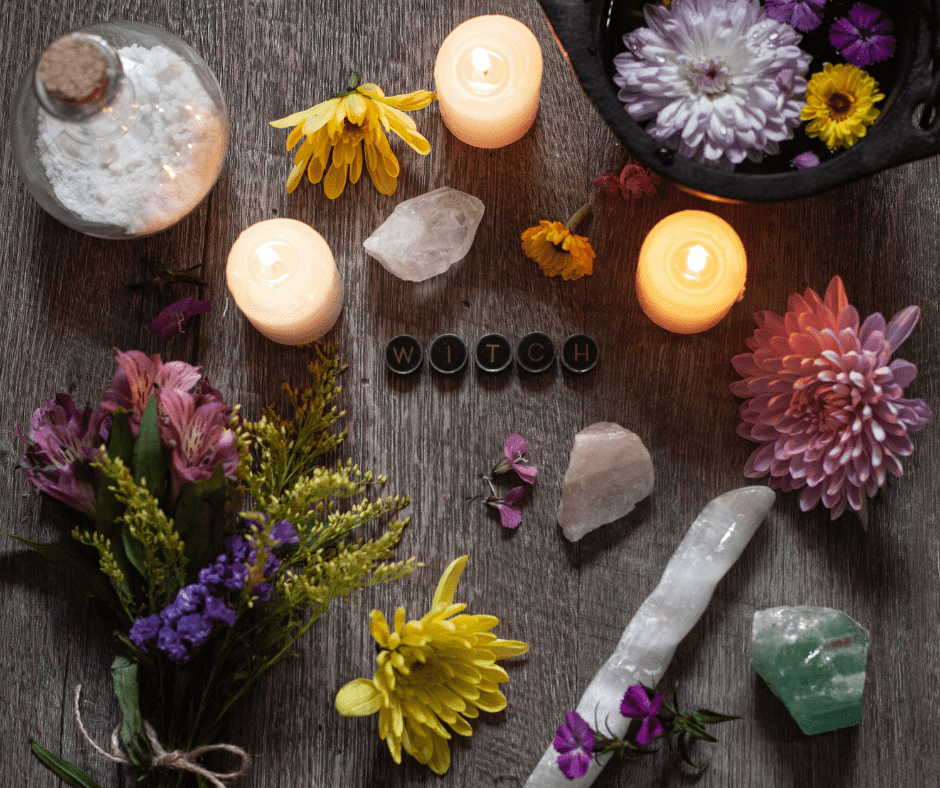

The word witch carries centuries of history, misunderstanding, fear, empowerment, and transformation. Today, many people proudly reclaim the term, but its roots stretch far deeper—into ancient traditions, folklore, and the human connection with nature and spirit.
So what is a witch? What did it mean long ago, and what does it mean now? Let’s explore.
 The Old (Historical) Definition of a Witch
Historically, a “witch” was often defined by others, not by the person themselves.
In ancient and medieval times, a witch was believed to be:
- Someone who practiced folk magic or healing
- A person (often a woman) thought to have secret knowledge, herbs, or charms
- An individual accused of sorcery, spell-casting, or divination
- Someone seen as having a connection to spirits or the unseen world
- A scapegoat for unexplained illness, weather, or misfortune
During the witch trials of Europe and early America, the definition became twisted and dangerous.
Many who were labeled “witches” were:
- Midwives
- Herbalists
- Wise women
- Outsiders
- People who didn’t fit societal norms
The historical “witch” was often simply a woman with knowledge—medical, botanical, or spiritual—who threatened the established power structures.
Types of Witches in History
1. The Wise Woman / Cunning Folk
These were healers, herbalists, charm-makers, and local “witch doctors.”
They helped communities with:
- Remedies
- Blessings
- Divination
- Protection spells
They were respected—until superstition turned respect into fear.
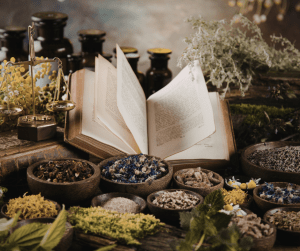 2. The Midwife / Herbal Witch
Skilled in childbirth, herbs, and women’s health, these practitioners were frequently targeted during witch hunts.
3. The Folk Magician
Practiced simple magic woven into everyday life—protection charms, luck spells, weather magic, and love remedies.
4. The “Accused” Witch
This category covers those who were charged due to fear, jealousy, illness, political motives, or misunderstandings.
5. The Religious or Pagan Practitioner
Before Christianity spread, many cultures had magical practitioners:
- Norse völva
- Scottish seers
- Celtic druids (not witches, but often connected in folklore)
- Slavic wise women
These figures bridged the worlds of spirit and nature.
Modern Types of Witches
Today, witchcraft is diverse, personal, and widely practiced. Some common forms include:
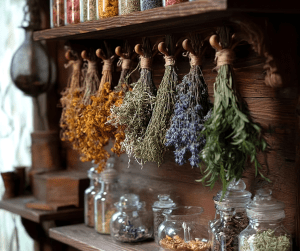 Green Witch
Nature-based, works with herbs, plants, gardening, and natural magic.
Kitchen Witch
Magic through cooking, baking, homemaking, and intentional nourishment.
Eclectic Witch
Mixes different traditions intuitively.
Hedge Witch
Focuses on spirit work, intuition, ancestral practice, and “walking between worlds.”
Wiccan Witch
Follows the structured religion of Wicca, which includes rituals, deities, and ethics.
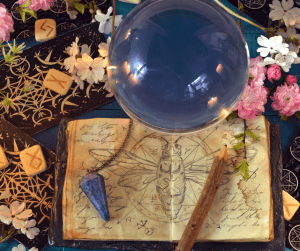 Divination Witch
Uses tarot, runes, pendulums, scrying, astrology, and intuitive tools.
Crystal Witch
Works with crystals, energy healing, and vibrational magic.
Hearth Witch
Home-focused, protective, comforting, energy-weaving magic in the living space.
Lunar Witch
Aligns practice with the cycles of the moon.
There are many more—and none are more “real” or “authentic” than another. Modern witchcraft is flexible and deeply personal.
 What Does It Mean to Be a Witch?
To be a witch today is less about labels and more about worldview and practice.
A witch is someone who:
- Connects with nature and natural cycles
- Works with intention, energy, and intuition
- Practices magic in a grounded or spiritual way
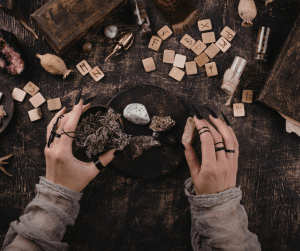
- Uses tools like herbs, candles, crystals, symbols, or divination
- Honors personal power and inner wisdom
- Trusts in both the seen and unseen
- Seeks healing, balance, and transformation
Being a witch is not about perfection or performing elaborate rituals—it’s about living consciously, connecting with the world around you, and honoring your own inner magic.
Who Can Be a Witch?
Short answer: Anyone who feels called.
Long answer:
Witchcraft is a practice, not an exclusive club.
You can be a witch if:
- You feel connected to nature
- You believe in energy, intuition, or symbolism
- You’re drawn to herbs, crystals, or divination
- You feel spiritually curious
- You want to shape your life with intention
- You value healing, empowerment, and self-knowledge
Witchcraft does not require:
- A specific religion
- A specific gender
- A specific bloodline
- An initiation (unless you join a coven that requires it)
- Expensive tools
The only true requirement is an open heart and genuine intention.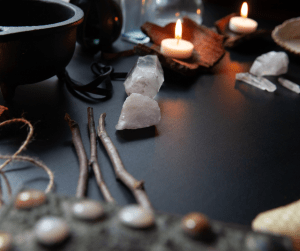
In Summary
A witch—then and now—is someone who works with energy, intuition, and nature to create change, heal, and connect with the unseen.
The historical witch was often a healer or wise woman unfairly persecuted.
The modern witch is empowered, intentional, connected, and self-directed.
Witchcraft belongs to anyone who feels called to it.